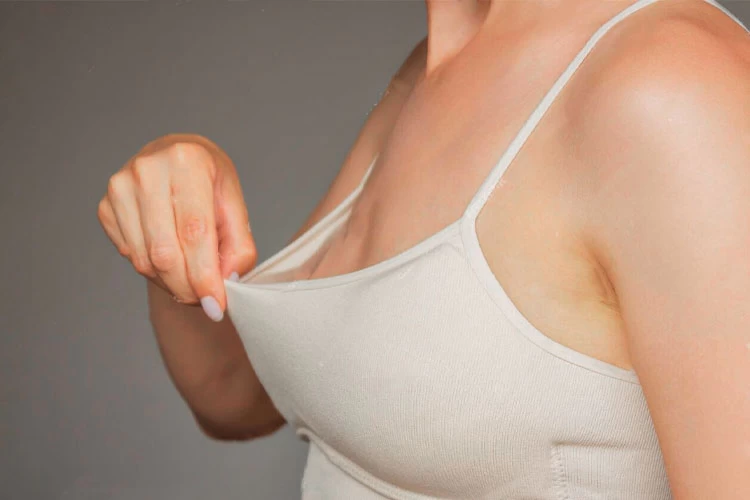
The breast implants drop and fluff 3 to 6 months after the breast augmentation surgery. When they settle in their intended position, your breasts look and feel more natural. The process of drop and fluff may begin sooner if you wear a supportive bra, avoid heavy activities, massage your breasts every day, drink plenty of water, and adjust your sleeping position to your current breast condition.

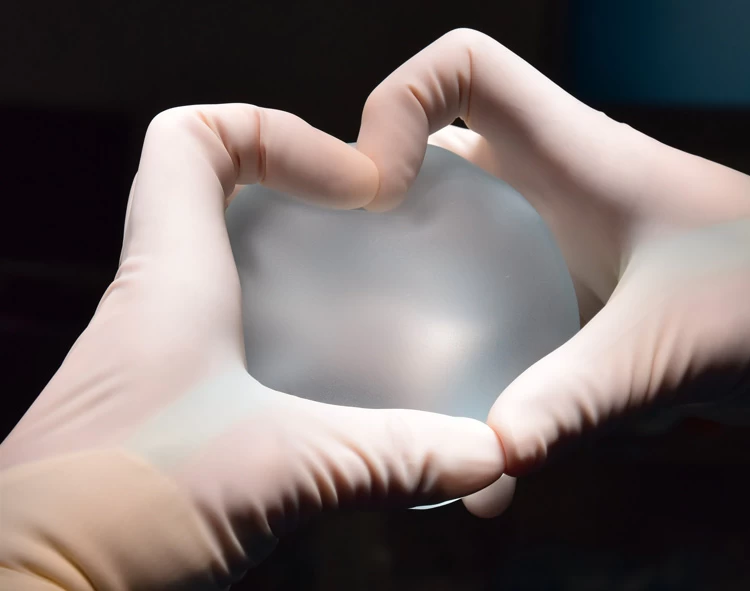
Saline-filled, silicone-filled, and gummy bear implants are the main types of breast implants used in boob jobs. These implants have certain pros and cons and are good for specific candidates. You can choose the best breast implant after consulting your surgeon and taking pre-op examinations.
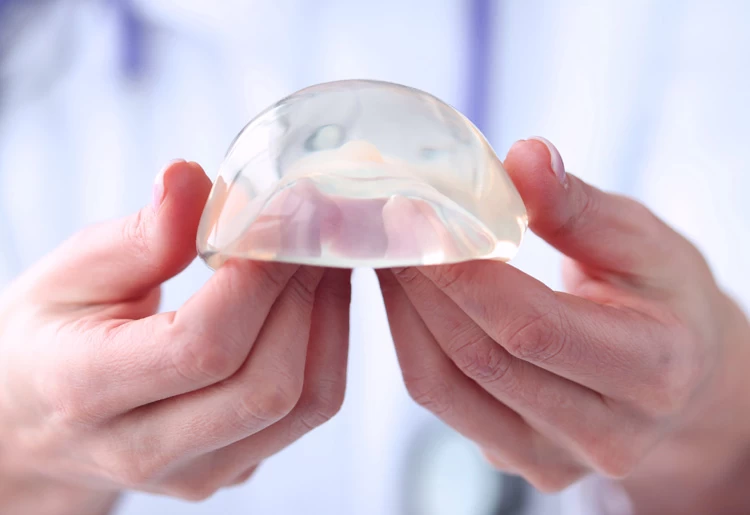
Breast augmentation is a procedure that enhances the size and shape of the breasts using either breast implants or fat grafts harvested from the abdomen, buttock, or thighs. Breast implants, on the other hand, are silicone or saline prosthesis placed under the breast tissue or breast muscle to give a fuller profile to the breasts.
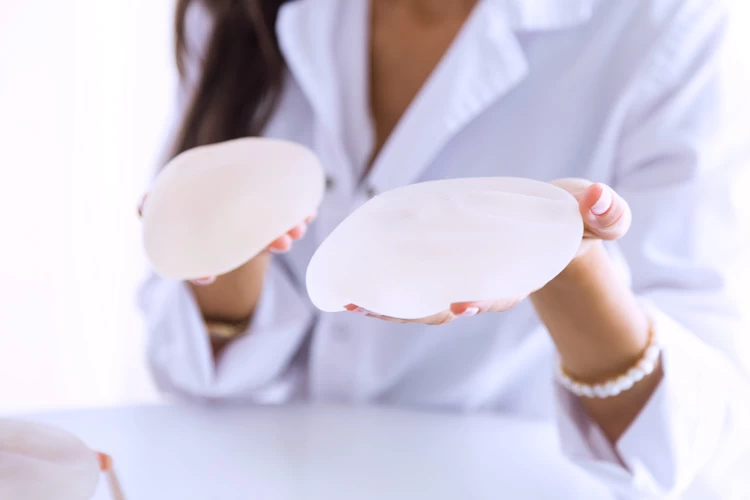
The boob job involves using implants and fat grafts to augment or restore the breasts and give them a younger look. Fat transfer breast augmentation is minimally invasive and has a short recovery time, but its outcome is less prominent. Boob job with breast implants, on the other hand, is more invasive and involves cuts and scarring; however, its results are considerable and vivid.

Breast implant illness (BII) is the term many people use for a cluster of symptoms, such as fatigue, joint pain, brain fog, and skin problems, that appear after getting breast implants. It isn’t an official medical diagnosis, no test can confirm it, and research hasn’t proven that implants cause it, but the symptoms are real and the FDA acknowledges patient reports. Symptoms can start anywhere from the day of surgery to decades later, and they’ve been reported with both silicone and saline implants. Doctors diagnose it by ruling out other conditions, like thyroid or autoimmune disease, and checking the implants for rupture.
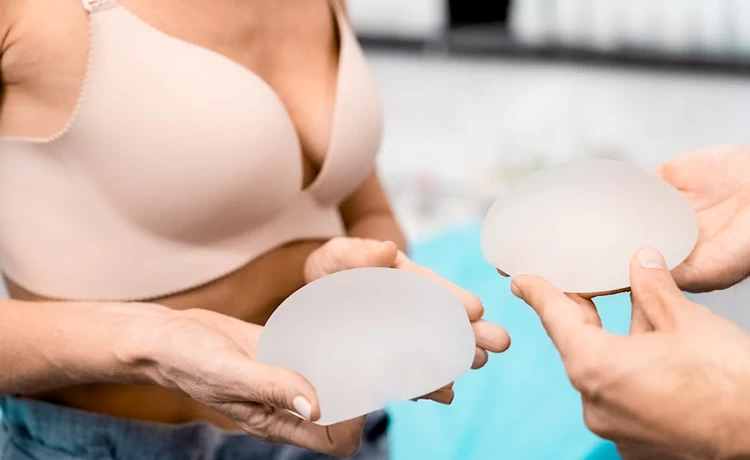
Preparing for breast augmentation is of great importance in having a safe and easy operation. Before undergoing a boob job, you need to take several physical examinations, quit smoking and drinking, maintain a healthy BMI, get mentally prepared, etc.
An inverted nipple is harmless, but it may interfere with your breastfeeding, lower your self-confidence, and impact your sexual activity. Based on the grade of nipple inversion, the doctor suggests using Hoffman's technique, suction devices, nipple piercings, or getting cosmetic surgery. Although nipple surgery fully restores the nipples, it might harm all or some of the milk ducts.
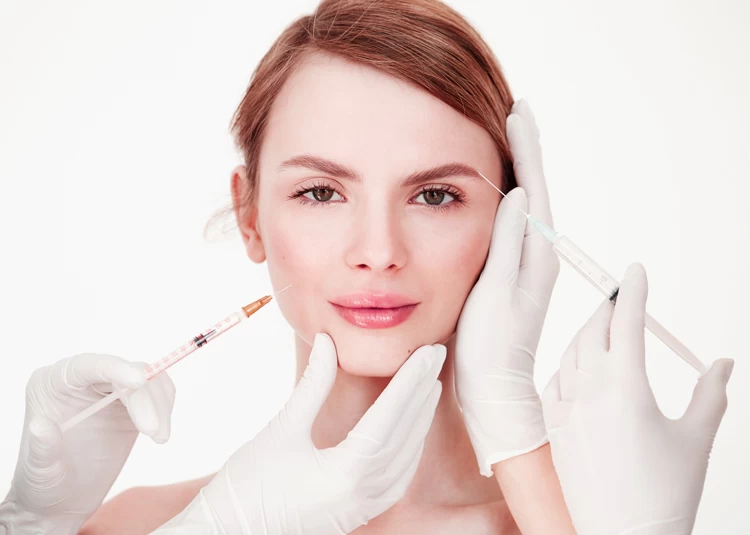
The most common types of cosmetic surgery throughout the world are rhinoplasty, boob job, liposuction, tummy tuck, breast reduction, facelift, and eyelid surgery. All these operations aim to enhance facial or body appearance and improve self-confidence.

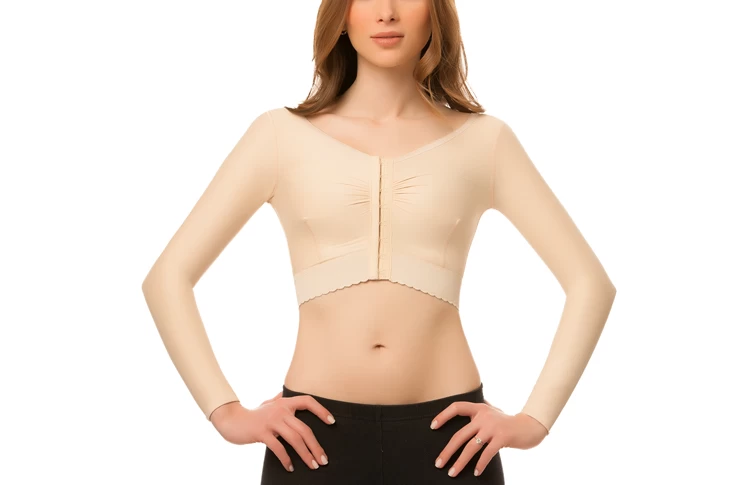
After breast augmentation, be careful of the signs of infection and hematoma, avoid strenuous activities, quit your unhealthy habits like smoking and drinking for at least a month, eat healthy and drink plenty of fluid a day, and use anti-scar gels to prevent severe scarring.