
Breast Implant Illness (BII): Symptoms, Causes & Treatment
Body Plastic Surgery
ome women start feeling unwell after getting breast implants, with deep tiredness, aching joints, brain fog, or skin problems that don’t go away and have no clear explanation. Many spend months going from doctor to doctor before anyone mentions their implants. If that sounds familiar, you may have come across the term breast implant illness, also called breast implant disease. This guide explains what is known so far, what remains uncertain, and what you can do if you think your symptoms might be linked to your implants.
What Is Breast Implant Illness?
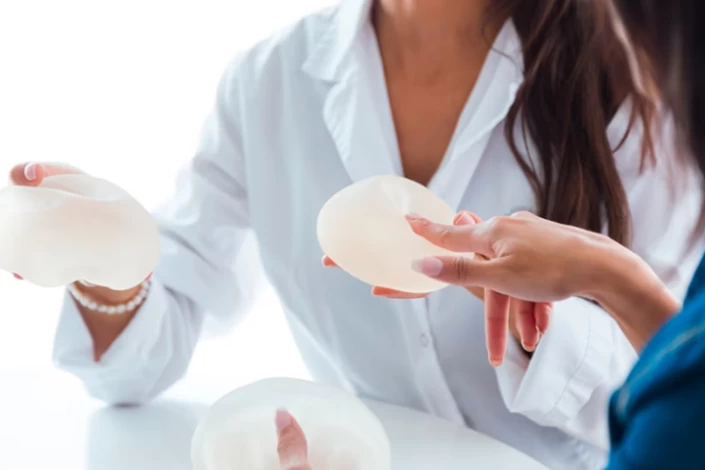
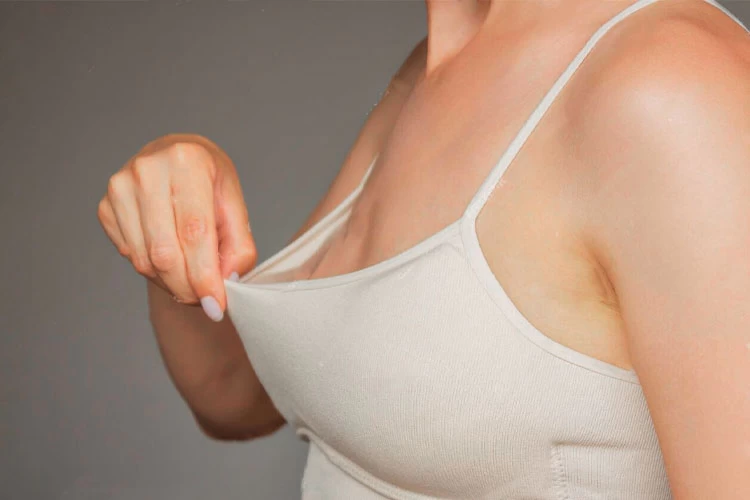
Breast implant illness, or BII, is the name many people use for a group of health problems that show up after getting breast implants. Some develop it after a cosmetic augmentation, others after reconstruction following cancer surgery. Common complaints include constant tiredness, aching joints, brain fog, and skin trouble.
Doctors don’t recognize BII as an official diagnosis. There’s no blood test or scan that confirms it, and so far research hasn’t proven that the implants themselves cause these symptoms. Still, that doesn’t make the symptoms imaginary. The FDA has acknowledged that some patients report them, and some feel better once their implants are removed. Since the same symptoms can come from many other conditions, doctors usually look for those first before considering BII.
How Common Is Breast Implant Illness?
The prevalence of breast implant illness is not well-established, and estimates of its occurrence vary widely. Some studies have suggested that a small percentage of individuals with breast implants may experience symptoms that could be attributed to breast implant illness, while a 2025 meta-analysis of 48 studies found that about 49% of patients reported BII-type symptoms, a figure the authors say is likely inflated because people with symptoms are more likely to take part in research. In contrast, others have found no clear evidence of a causal link between breast implants and systemic disease, and a Dutch study of women with reconstruction after breast cancer found no meaningful rise in symptoms during the first three years.
Symptoms of BII
People with BII describe very different experiences. Some notice one or two problems, others deal with a long list
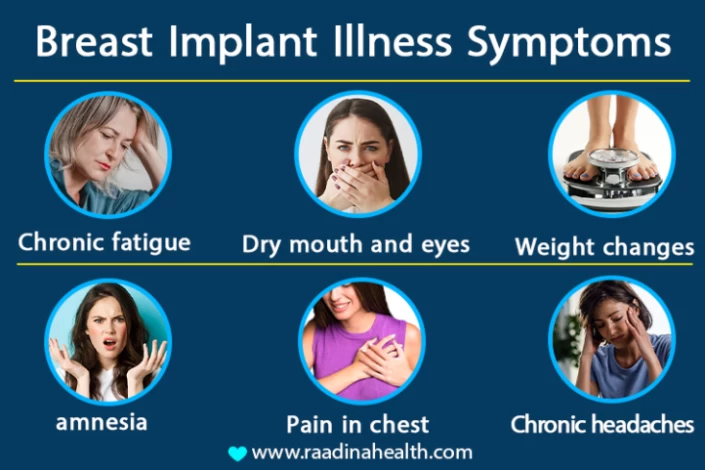
The most commonly reported symptoms include:
- Fatigue
- Joint and muscle pain
- Chronic headaches
- Low-grade fever, chills, or night sweats
- Weight changes
- Brain fog
- Dizziness, numbness, tingling, or muscle twitching
- Sleep problems
- Anxiety and depression
- Skin problems (rashes, hives, dryness, itching)
- Hair loss
- Dry mouth and dry eyes
- Vision and hearing changes
- Breathing problems
- Heart palpitations
- Gastrointestinal problems
- Hormonal changes
- New sensitivities to foods, chemicals, or smells
- Breast pain, swelling, firmness, or a change in shape
- Swollen lymph nodes
When Do Breast Implant Illness Symptoms Start?
There’s no single timeline. The FDA reviewed thousands of reports from patients and found that the average time from implant surgery to the first symptoms was about 5.6 years. Individual cases ranged from the day of surgery to more than 40 years later. A 2025 review of published studies found a similar average of around 6.4 years. Symptoms have been reported with every type of implant.
Because of that long gap, many people never connect their symptoms to the implants. If new, unexplained symptoms appear at any point after surgery, mention your implants when you see your doctor, even if the surgery was years ago.
What Causes BII?
Nobody knows for sure, and none of the theories below has been proven. Here are the explanations that come up most often:
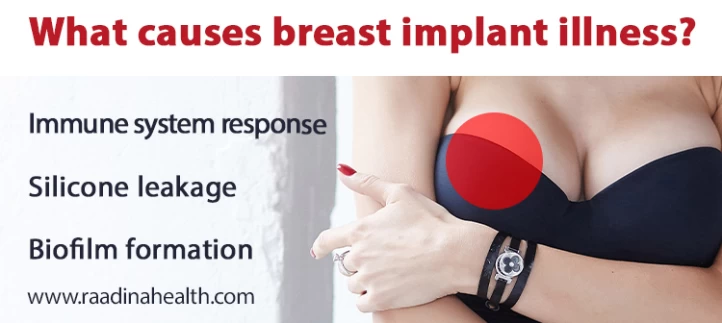
- Immune system reaction: The body may treat the implant as a foreign object, and the ongoing inflammation could lead to fatigue, joint pain, and brain fog.
- ASIA syndrome: This proposed condition says substances like silicone can trigger an autoimmune-type response, but it remains a hypothesis and not an accepted diagnosis.
- Silicone leakage or rupture: Silicone that escapes a ruptured implant may inflame nearby tissue, though evidence for whole-body symptoms is limited.
- Bacteria and biofilm: A thin layer of bacteria on the implant surface might keep the area inflamed, but research on this is still early.
- Personal susceptibility: People with autoimmune conditions or multiple allergies may be more likely to react, though this isn’t confirmed.
- Implant complications: Rupture or capsular contracture can cause pain that looks like BII, so doctors check the implants first.
- Other conditions: Thyroid problems, autoimmune diseases, and anxiety cause many of the same symptoms, so a full medical check should come before any surgery decision.
Who May Be at Higher Risk?
Various tests and examinations are mandatory before a boob job as the underlying conditions increase the risk of getting breast implant illness. People with the following conditions should reconsider having this operation because they are more prone to develop BII.
- Lupus;
- Rheumatoid arthritis;
- Lyme;
- Scleroderma;
- Chronic allergies;
- Fibromyalgia;
- Frequent migraines;
- A history of depression;
- Thyroid problems;
- Irritable bowel syndrome (IBS); and
- Arthritis.
Silicone vs Saline Implants: Does Type Matter?
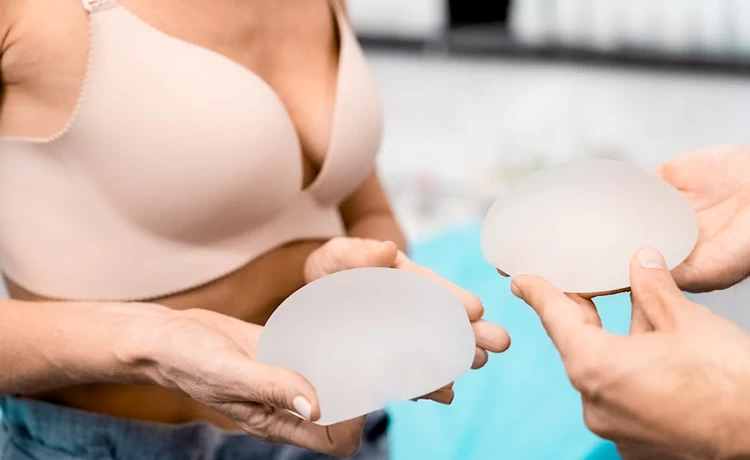
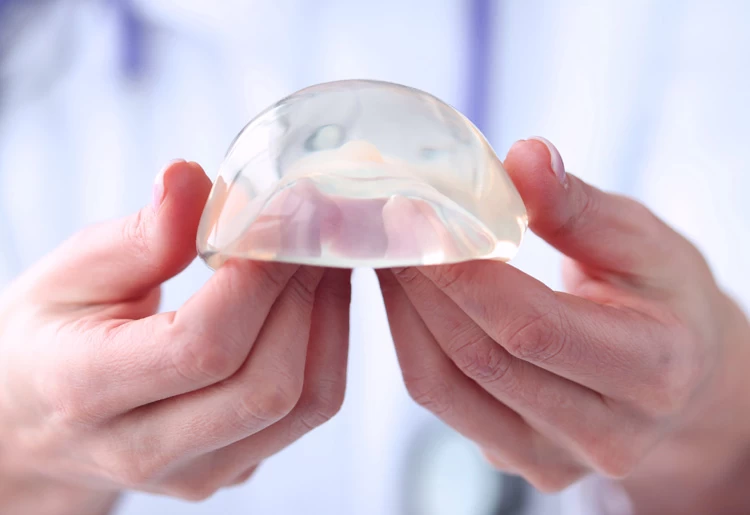
Both kinds of implants have been linked to BII, and so far no one can say that one type is clearly safer than the other. The FDA says these symptoms have been reported with all types of breast implants, whatever their filling, shape, or surface. One reason the two are hard to separate is that saline implants aren’t silicone-free: they have a silicone rubber shell filled with salt water, so everyone with implants is exposed to silicone to some degree. Some reports hint that silicone gel implants show up more often in BII complaints, but these come from voluntary patient reports, which can’t show that one type is riskier. A study of patients who had their implants removed also found similar symptom relief whether the implants were silicone or saline.
How Is BII Diagnosed?
There’s no test that confirms breast implant illness. Doctors diagnose it by ruling out other causes. They review your medical history and symptoms, run blood tests to check for conditions like thyroid or autoimmune disease, and examine the implants with ultrasound or MRI to look for rupture or other problems. Depending on what they find, your surgeon may refer you to a rheumatologist, endocrinologist, dermatologist, or neurologist.
Treatment Options
If the tests find another cause, treating it may clear up your symptoms. If they don’t, the main option is explant surgery, which means removing the implants and sometimes the scar tissue capsule around them. The surgeon may take out the implant only, part of the capsule, or the whole capsule . Studies haven’t shown that one approach works better than another, and while many women feel better afterward, some don’t improve at all.
After removal you can go flat, or have your breast shape rebuilt with a flap or fat grafting. Some women choose new implants, which is something to discuss with your surgeon. If your symptoms are mild, your doctor may suggest managing them and keeping the implants for now. A healthy routine, with regular exercise and stress control, can support your recovery but isn’t a treatment for BII.
Should I Have My Breast Implants Removed?
This is a personal decision to make with your surgeon, ideally after other causes of your symptoms have been ruled out. Many women feel better after removal, with studies reporting improvement in roughly 57% to 83% of cases, but some see no change, so it can’t be promised to fix your symptoms. Studies haven’t shown that removing the whole capsule works better than removing the implant alone, so the technique usually depends on your implants, your goals, and your surgeon’s experience. If you’re worried about how your breasts will look afterward, ask about fat grafting, flap reconstruction, or going flat.
How to Reduce Your Risk of BII
There’s no proven way to prevent BII, since its cause isn’t known. These steps may help you catch problems early and lower your overall risk:
- Choose a board-certified plastic surgeon with plenty of experience in breast surgery.
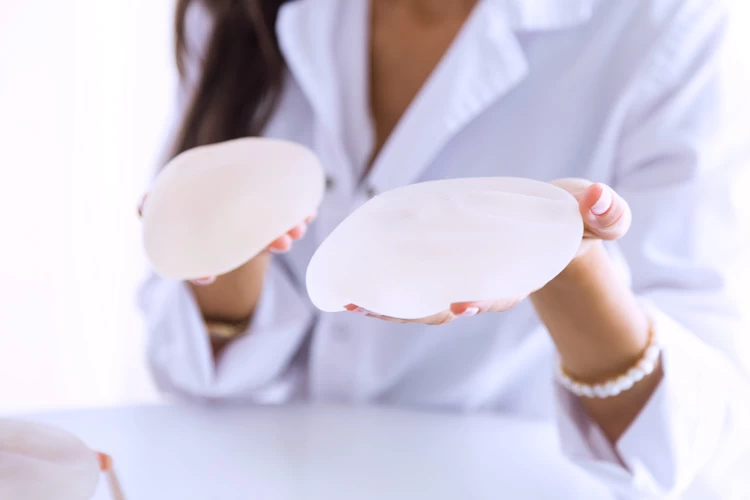
- Discuss implant types with your surgeon, including filling and surface texture, and the risks of each.
- Share your full medical history, including autoimmune disease, allergies, and family history, before surgery.
- If you’re still planning surgery, read What Is the Process of Getting Breast Implants? to know what to expect from the first consultation to recovery.
- Don’t smoke, and keep alcohol low, to support healing and general health.
- Go to regular check-ups, and report new pain, swelling, redness, or unexplained symptoms early.
Breast Implant Removal (Explant) in Iran
If you think your symptoms may be linked to your implants, the first step is a full medical evaluation to rule out other causes and check the implants themselves. Surgeons at Raadina Health can review your history and talk through your options, including whether explant surgery makes sense in your case.
Contact us for a free initial consultation about Breast Implant Illness
 WhatsApp
 Telegram
 Facebook
 Email
Email
FAQs About Breast Implant Illness
Can breast implants make you sick?
Some women report whole-body symptoms such as fatigue, joint pain, and brain fog after getting implants, and the FDA acknowledges these reports. Research hasn’t proven that the implants themselves cause them, and other conditions can produce the same symptoms, so doctors check for those first.
Is breast implant illness real?
The symptoms people describe are real, but BII is not an official medical diagnosis. Its cause is still unknown, and studies disagree on how strongly it is linked to implants.
Is there a test for BII?
No. No blood test or scan can confirm it. Doctors diagnose it by ruling out other causes, such as thyroid or autoimmune disease, and by checking the implants for rupture or other problems.
Do BII symptoms go away after implant removal?
Many women feel better after explant surgery, and studies report improvement in roughly 57% to 83% of cases. Some women see no change, so doctors can’t promise that removal will resolve every symptom.
Is BII the same as BIA-ALCL?
No. BIA-ALCL is a rare lymphoma linked mostly to textured implants, and it can cause swelling, fluid, pain, or a lump near the implant. BII is a group of whole-body symptoms with no confirmed cause. If you notice swelling or a lump around an implant, see a doctor promptly.





No reviews
Your comment