
Can IUI Really Let You Pick Your Baby’s Gender?
Embryo gender selection/36_1783851343_medium.webp "Can IUI Really Let You Pick Your Baby’s Gender?")
One of the advantages of using Assisted Reproductive Technology (ART) such as IUI and IVF is the ability to determine the sex of the fetus at the beginning of pregnancy and even before implantation. In natural conception, the gender of the fetus is determined at the end of the first trimester of pregnancy using ultrasound, while in IUI or IVF methods, the fetus's gender is accurately determined in the initial days of conception.
When considering gender selection with IUI, it is important to be aware of the success rates associated with this procedure. The success rate can vary depending on various factors, including the age and health of the individuals involved and the specific techniques used during the procedure. By exploring the potential success rates and limitations of IUI gender selection, couples can better assess their options and make choices that align with their family planning goals, including considerations of IUI baby gender rates.
What Is the IUI Gender Selection Procedure?
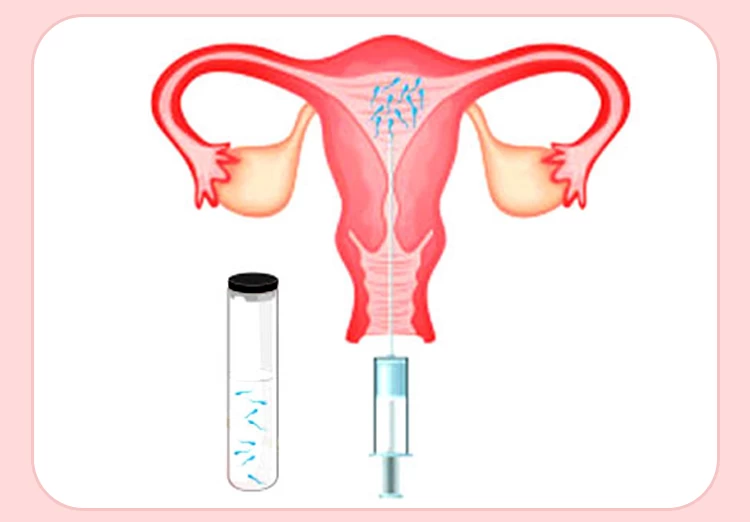
IUI (Intrauterine Insemination) gender selection procedure, also known as sperm sorting or gender selection through artificial insemination, is a technique used to increase the chances of conceiving a child of a specific gender. The procedure involves separating the sperm cells into two samples based on their DNA, either X or Y chromosomes.
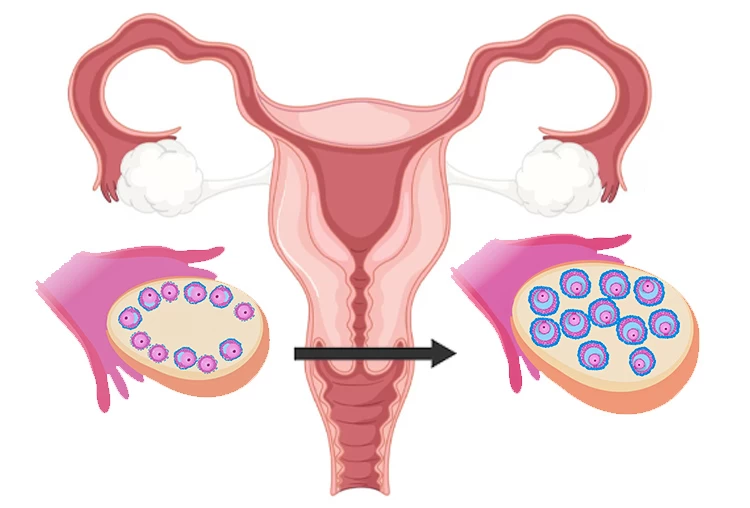
Before the IUI procedure, the female partner usually undergoes hormonal stimulation to enhance the growth and maturation of the eggs. Once the eggs are mature, they are monitored through ultrasounds and hormonal blood tests. The male partner's semen sample is collected and then processed using a technique called sperm sorting, which separates the sperm cells based on their gender.
The sorted sperm sample of the desired gender (X or Y chromosome) is then inserted into the female partner's uterus using a thin catheter guided through the cervix. This procedure aims to bring the sperm closer to the egg, increasing the chances of fertilization.
Gender selection in IUI allows couples to choose gender in IUI, providing them with greater control over their family planning, although it is not 100% guaranteed. It is important to note that the procedure is not considered a medically necessary treatment and is usually performed for personal or family balancing reasons. Couples opting for this procedure often seek assurance regarding IUI babies' gender and specifically pursue IUI treatment for baby boy preferences.
/32_1784012814_large.webp "What Is the IUI Gender Selection Procedure?")
Swim-Up vs. MicroSort: What’s the Difference for IUI Gender Selection
Gender selection with IUI is currently available in two main methods: Swim-Up and MicroSort.
In the Swim-Up method, sperm are separated according to their motility and swimming speed. The male (Y) sperm swim faster. This method is easier and cheaper, but has lower approximate accuracy.
MicroSort is a technique that separates sperm according to their DNA content (i.e. whether they contain X or Y chromosomes). This approach is much more accurate but also significantly more expensive. Below is a table to help you to compare the two methods.
Swim-up | MicroSort | Feature |
Sperm motility and speed | DNA flow cytometric sorting | Separation Method |
Simple | Highly advanced | Complexity |
Cheaper | More expensive | Cost |
More Common | Limited | Availability |
Moderate | High | Approximate Accuracy |
Commonly available | More limited (only in some countries) | Application in IUI |
Who can have IUI for gender selection?
The IUI procedure is usually recommended for couples who:
- Couples who do not have serious infertility problems.
- Couples with a good ovarian reserve in the woman.
- The mother is quite young.
- The man’s sperm count, motility and morphology are within the acceptable range.
- Couples wanting less expensive gender selection.
- People who are trying to increase the odds of having a boy or girl but are not looking for a 100% guarantee.
/34_1784012685_large.webp "Who can have IUI for gender selection?")
Preparations Before IUI Gender Selection
Gender determination requires planning to succeed. Because sperms tend to develop in 72 hours, it is better to select a diet that improves the quality of the produced sperms three days before the procedure. Natural zinc and minerals found in foods like pumpkin seeds, beef, eggs, nuts, and oats can substantially impact sperm quality.
Partners have to follow several rules for having sex before the IUI operation. For example, if a sperm disorder does not cause infertility, couples can have sex up to 24 hours before the procedure. If the operation is being performed due to a sperm disorder (low number or quality), young couples should abstain from sexual intercourse for at least 48 hours before IUI for gender selection.
The night before the procedure, women should take a bath, and it's best if they don't wear makeup before they visit the treatment center. Eating a heavy meal the night before the procedure should be avoided. Thin soup is an excellent choice for female patients. Consuming any food or drink (even water) is prohibited after midnight.
/taeen_jensiat_1_1787198668_small.webp "حکم شرعی تعیین جنسیت جنین در اسلام")
The Role of Nutrition and Lifestyle Before IUI
Diet alone cannot determine the gender of a fetus but can significantly increase the chances of a successful pregnancy, and increase the chances of conceiving the desired gender, and improve the overall quality of eggs and sperm. The ASRM recommends that couples make lifestyle and diet changes for at least three months before trying to conceive.
Here are the best medical suggestions for nutrition and lifestyle:
- Take a daily folic acid supplement as your doctor prescribes.
- Drink lots of water (at least 8 glasses a day).
- Eat less processed foods, fast foods and sugary drinks.
- Stop smoking, vaping, recreational drugs.
- Do not drink alcohol at all.
- Keep a steady, sufficient sleep schedule (7+ hours a night).
- Be sure to include some physical activity regularly, like walking or light exercises.
- Manage Stress, Anger and Anxiety.
- For a Boy: Eat potassium and sodium foods such as bananas, potatoes, dates, legumes and whole grains.
- For a Girl: Eat a diet rich in calcium and magnesium, which includes dairy products (low fat), citrus fruits (oranges, tangerines), almonds and sesame seeds.
Patient Experience: Sarah, a 32-year-old client who had two unsuccessful pregnancies and had IUI, began her diet plan four months before attempting to conceive under the supervision of a doctor. During those four months she ate a healthy diet, lost weight and walked half an hour a day. She strictly followed her doctor’s instructions and delivered a healthy baby girl through IUI.
Factors Affecting the Success of IUI Gender Selection
The success of gender selection with IUI is, as noted above, dependent on a number of factors. Reliable sources like Mayo Clinic say that the most important factors are:
- Method of Sperm Separation: The MicroSort method provides greater odds than the Swim-Up method.
- Mother's Age: The younger the mother, the better the quality of her eggs and the better the chances of success.
- Sperm quality: Number, movement, structure and overall health of the sperm greatly affect the outcome of the treatment.
- Precise Timing of IUI: The insemination should be performed at the time closest to the woman’s ovulation window.
- Uterine and Tubal Health: The likelihood of success is greatly diminished if there are problems with the uterus or if the fallopian tubes are blocked.
- Expertise of the Treatment Center: Naturally, the chances of success are far higher at a specialized, experienced center with a first-class lab.
/40_1784012709_large.webp "Factors Affecting the Success of IUI Gender Selection")
Can IUI Guarantee a Certain Gender Twin?
In some cases, drugs used to induce ovulation may cause the release of more than one egg, increasing the chances of a twin pregnancy. However, the chances of determining the sex of both embryos from an IUI process are very poor and there are absolutely no guarantees. Basically, you can increase the overall chance of twins of the gender you want, but you cannot strictly control / determine it.
Possibility of Twin Pregnancy in IUI
Compared to techniques like IVF, the likelihood of having twins or multiples with the IUI procedure is substantially lower regardless of the gender of the fetus. Due to proper ovarian stimulation and the option to select the desired number of embryos to be transferred to the woman's uterus, the IVF process offers a chance to grow more than one embryo.
In contrast, in the IUI method, the level of ovarian stimulation is lower, and sperms are injected into the uterus directly without fertilization. Hence, the embryo formation occurs inside the uterus. It is, therefore, impossible to anticipate how many fertilizations will occur inside the uterus, just like with a natural pregnancy. According to statistics, there is a 3% maximum possibility of conceiving twins through the IUI procedure.
/39_1784012846_large.webp "Possibility of Twin Pregnancy in IUI")
IUI Gender Selection Pros & Cons
While IUI offers many advantages, like any other treatment method it also comes with some important considerations. Being aware of them can help you have a better conversation with your doctor and make a more informed choice.
Advantages of IUI for Gender Selection
The most significant advantages of gender selection by IUI are its ease of execution, rapid progress, low cost, outpatient treatment process, and the possibility of repeating it numerous times (if pregnancy does not occur). Couples must investigate and ask about the most qualified specialists and the most successful clinics in this field as IUI does not always provide 100% accuracy in gender selection.
IUI Gender Selection Disadvantages
Like any other treatment approach, IUI pregnancy and sex selection may have risks and complications. As mentioned earlier, IUI is often performed with drugs like ovarian stimulants, which, although not necessary, significantly increases the likelihood of the treatment being successful.
A high dose of these medicines can cause disorders such as ovarian hyperstimulation syndrome in certain persons. During this condition, the enlargement of the ovaries causes considerable discomfort, and the accumulation of fluids leads to bloating and abdominal enlargement.
What Is the Success Rate of Gender Selection with the IUI Method?
The female patient's age affects the success rate of the IUI Gender Selection procedure. IUI gender selection success rate is 10-20% in women under 35 years old and roughly 2-5% over 40 years old. The reason for performing IUI can also impact its success rate.
If the couple does not have fertility problems, IUI for gender selection has a success rate of 7-10% per menstrual cycle. This likelihood rises to 15-25% if pregnancy drugs are used. Statistically speaking, most women become pregnant on their first try, but it takes two to three IUIs on average to become pregnant.
Can IUI Take the Place Of IVF?
The answer to this question depends entirely on your medical circumstances and your budget. If you have mild infertility problems, are younger, have a limited budget and you do not want an absolute, 100% guarantee of the sex of the baby, then pregnancy through IUI can be a great option for you.
But if you have serious problems with infertility, are of advanced maternal age, have anatomical problems such as blocked fallopian tubes or history of previous failed pregnancies, IVF is definitely the way to go. Furthermore, if you want a guarantee on your child's gender, IVF with PGT, also known as embryo gender selection, is the most accurate and definitive option.
/43_1784012753_large.webp "Can IUI Take the Place Of IVF?")
IUI Cost for Gender Selection
One of the biggest reasons IUI is so popular is that it is affordable. There is no fixed cost for IUI, as it depends on the drugs used, the doctor’s knowledge and experience, the country or city where the procedure is done, the method of sperm separation, and other factors.
In general, IUI is far less expensive than IVF. IVF + PGT (Preimplantation Genetic Testing) is nearly 100% accurate for gender selection but also significantly more expensive than IUI. That’s why many couples choose to try the cheaper IUI method first and only turn to IVF if it doesn’t work.
Does Less Cost for IUI Equal Less Accuracy?
Most of the time, yes! As mentioned above, gender selection with IUI is not fool proof and the success rate is between 60% to 80%. With IUI, fertilization occurs naturally in the body and there is no genetic testing of the embryo itself. IVF however, although more costly, enables the embryos to be screened for their genes in a lab, which makes the gender selection almost certain.
Expert Advice for Selecting the Best IUI Gender Selection Technique
It is up to the specialist to evaluate the couple’s condition thoroughly and completely to decide between IUI and IVF. Age, quality of sperm and eggs, history of treatment, budget and physical health of the couple should all be considered. Raadina is here to help you choose the most suitable and best treatment method. In this center, you will have a free specialized consultation, your medical file will be checked by several medical specialists, and you will have the necessary tests in specialized laboratories to help you have a successful and healthy pregnancy.
Conclusion
Gender selection by IUI is one of the most popular assisted reproductive procedures. In this technique, the sperm are separated and sorted before being injected into the woman’s uterus. This method is less invasive and cheaper, but it has lower accuracy and chances of success than IVF. Counseling should be specific to couples and the individual’s situation so that the best decision can be made.
Get a free consultation, precise treatment planning, dedicated support, and a personalized medical travel roadmap for gender selection in Iran. Contact the experts at Raadina medical tourism company today.
Contact us for a free initial consultation about gender selection
 WhatsApp
 Telegram
 Facebook
 Email
Email
FAQ on Gender Selection with IUI
Is gender selection with IUI legal in all countries?
The legality of gender selection with IUI varies by country and jurisdiction. Some countries have strict regulations or bans on gender selection for non-medical reasons. Researching the laws in your area before pursuing this option is important.
Can IUI be effective for everyone?
No. If you have severe infertility, blocked fallopian tubes or if you need a 100% definitive gender selection, IUI is not the right choice.
Are there any age restrictions for undergoing gender selection with IUI?
Age restrictions for gender selection with IUI may vary depending on the clinic or healthcare provider. Generally, individuals undergoing fertility treatments, including gender selection with IUI, should be of reproductive age and in good overall health.
How many cycles of gender selection with IUI may be needed to achieve the desired sex?
The number of cycles needed to achieve the desired sex through gender selection with IUI can vary depending on individual factors such as age, fertility status, and sperm quality. Some individuals may succeed in one cycle, while others may require multiple cycles.
Is gender selection with IUI a safe procedure?
Gender selection procedures, including gender selection with IUI, are generally considered safe when performed by qualified healthcare providers in a reputable clinic. However, as with any medical procedure, there are risks and potential complications to consider, including infection, discomfort, and potential complications related to infertility treatments.
Does IUI increase the chances of having a girl?
Some studies suggest minor variations in gender ratios after IUI, but overall, IUI does not guarantee a girl. Factors like timing of insemination may have a slight effect, but it’s not a reliable method for gender selection.
Can you choose the gender of your baby with artificial insemination?
Standard IUI cannot reliably determine a baby’s gender. Advanced techniques like sperm sorting may be combined with IUI to slightly increase the chances, but they are not foolproof.
Why does IUI sometimes produce more girls?
Observed differences in gender ratios are usually due to statistical chance, timing of insemination, or lab techniques. There’s no consistent scientific evidence that IUI alone strongly favors girls over boys.
Is IUI treatment painful?
IUI is considered a minimally invasive procedure and is usually pain-free. After the procedure, most people have only mild discomfort or a little cramping like menstrual cramps.
Does insurance cover IUI?
The type of insurance you get depends entirely on where you are, the provider you choose, and your medical condition. You should consult directly with your insurance company regarding their policies on IUI and gender selection.




/36_1783851343_main.webp)
User
-مهناز منتظری
-.Hi, hope you're doing well! IUI does not reliably increase the chance of having a boy; the natural chance is roughly 50%
.Timing or diet methods are not proven to significantly change the baby’s sex